Overview
Why is boxing fashion’s latest sport obsession? How is celebration evolving this holiday season? And what do this year’s Christmas ads say about the cultural mood? Below are our December 2025 cultural trends: three topics on our radar this month and their impact on consumers. By scanning the headlines, keeping tabs on social media conversations and tuning into the zeitgeist, we connect the dots between our trends and the wider world so that you can make sense of what’s happening now and what it means for you.
Key insights
- Boxing is rising in popularity. When Jake Paul fought Mike Tyson in late 2024, the Netflix event drew 65 million concurrent streams at peak and generated over 1.4 billion impressions across Netflix’s social channels. And as a result of greater visibility and engagement, fashion brands like Palm Angels, Champion and PURPLE Brand are capitalizing on the energy in boxing.
- Brands are navigating culture wars in their Christmas ads. Themes this year include polarization, family feuds and nostalgia. Both Asda in the UK and McDonald’s in Australia use the Grinch character in their campaigns, playing to the idea that some consumers may feel apprehensive about the festive season due to financial strain.
- New modes of celebration are coming to the fore this holiday season. In Germany, “pudding parties” offer IRL connection and Gen Z-friendly absurd humor. In the US, Mahjong nights are taking off, and in India “Bhajan Clubbing” offers meaningful social experiences that blend rave culture with spirituality.
1. Fashions latest sport obsession gives new meaning to “Boxing Day”

Livestreamed fights draw serious crowds
In December 2025, influencer and boxer Jake Paul will fight heavyweight champion Anthony Joshua, with the match set to livestream on Netflix.
The platform – and marketers – will be hoping to see an even more successful event than when Paul fought Mike Tyson in late 2024, drawing 65 million concurrent streams at peak and generating over 1.4 billion impressions across Netflix’s social channels, representing a breakthrough moment for boxing. The celebrity/influencer boxing phenomenon has also created a distinct entertainment vertical – Misfits Boxing has found success by experimenting with rules and format, appealing to audiences who’ve never heard of traditional fighters.
The fashion industry is capitalizing on increased engagement with the sport
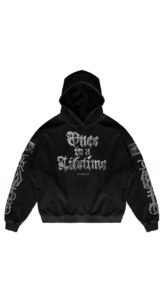 As a result of greater visibility and engagement, interest in sponsorships has gained momentum. And fashion brands are also capitalizing on the energy in boxing. In November, boxer Conor Benn collaborated with Bespoke Boxing, sportswear brand Everlast and luxury fashion house Palm Angels to create bespoke fight gear for his rematch against Chris Eubank Jr. at Wembley Stadium in London, complete with a limited-edition capsule collection. Sportswear brand Champion has launched a multi-year partnership with Irish fighter Katie Taylor including custom kit and plans for a next-generation combat sports range shaped by her insights. Meanwhile, PURPLE Brand launched a limited “Once in a Lifetime” streetwear capsule collection for the Canelo Álvarez vs. Terence Crawford fight in September 2025. Boxing sneakers also became an It shoe in 2025.
More consumers are giving boxing a try
But consumers aren’t just watching fights – they’re getting in the ring themselves. More gyms are offering boxing-style workouts, including Australia-born chain UBX, which aims to reach 600 locations worldwide over the next five years. Meanwhile, digital platforms like FightCamp bring boxing into the home. Meanwhile, smart boxing equipment including AI-powered gloves, intelligent punching bags and data-driven training apps are set to democratize access to professional-quality workouts.
This rising appreciation of boxing reflects the everyday athlete mindset, which has reshaped how consumers approach sports and fitness: many don’t compete professionally but train seriously and want products that support their performance beyond just workout gear.
There are multiple entry points for brands seeking to capitalize on boxing’s power – from sponsoring events to partnering with rising athletes to creating products for leveling up workouts.
How should brands tap into the rising popularity of boxing?
Position fight nights as the new appointment viewing. With long build-up cycles, high emotional stakes and only a few top-level fights a year, boxing lends itself well to building momentum around events. Media brands and streaming platforms can create fight night activations that transform boxing events into full cultural experiences. To build hype, consider hosting pre-fight countdown shows, interactive watch-along features with real-time polls and predictions, celebrity guest commentators and post-fight breakdown content that extends the conversation. Partner with restaurants, bars and venues to create official watch party toolkits – for example, with curated playlists, drinking games and themed food menus – that make boxing nights as much about the social ritual as the sport itself. Position major fights as “can’t-miss” communal moments that bring fans together.
Capitalize on athletic aesthetics. Many consumers care deeply about both sport and aesthetics – and want to look good while training. Partner with micro-influencers who genuinely train (not just pose in athletic wear) to create authentic reviews and styling content for your brand. Look to creators like @sabriinab___, who documents her hiking outfits, and @jennalitner, whose “your workout outfit looks like sh*t” series helps fitness enthusiasts level up their hair, makeup and outfits to be performance-ready. Brands can also create content from scratch featuring, for example, styling tutorials for different training modalities (boxing gym fits, running looks, strength training aesthetics) or videos showing how pieces perform during actual workouts – featuring sweat and all. Consumers now expect athletic wear to serve dual purposes – functional performance and aesthetic expression – all at once. Reimagine how new and existing collections are presented, styled and positioned within training culture to be a go-to brand for elevated fitness wear.
2. The Grinch steals Christmas: Holiday campaigns tackle festive friction

The Grinch is a figurehead for advertisers around the globe
It’s the time of year when retailers in many parts of the world pull out all the stops to attract as many customers as possible during the so-called Golden Quarter, leading up to a range of festivals and holidays. This year, several brands and their advertising agencies around the world have chosen Dr. Seuss’s classic character The Grinch to anchor their campaigns. As well as being an instantly recognizable figure in many markets, The Grinch can also play to the idea that some consumers may feel apprehensive about the festive season due to financial strain.
Culture wars also loom large for brands
With polarization continuing to be a hot topic, the UK’s biggest grocer Tesco decided to tackle the issue head-on with its campaign, which acknowledges that “Christmas isn’t perfect, but that’s what makes it Christmas”. Their ad features families falling out, including a scene with an older man explaining that there is tension at the festive dinner table because “I had an opinion”.
Brands look for ways to unite consumers
Other British brands have taken a range of approaches to connect with consumers and bring them together. John Lewis, whose Christmas ad is always hotly anticipated and much discussed, launched a campaign that focuses on the nostalgia of a Gen X clubber and his relationship with his son, with the two brought together by music. Again, there could be echoes of polarization here, as a previous campaign by the retailer was criticized in some quarters for featuring a family without a father figure. Grocer Waitrose, meanwhile, offers up a festive mini romcom starring Keira Knightley and Joe Wilkinson, while rival Sainsbury’s employs the services of Roald Dahl’s BFG to get across its message about unexpected guests.
How should brands resonate with consumers in this context?
Look for unifying messages while acknowledging polarization in humorous ways. The lessons from these festive campaigns are not just for Christmas; 2026 looks set to be another polarized year, with themes from our Trending 2026 report such as Politicized Purchasing and Trad Revival holding sway. One approach here is to tackle the issue directly and acknowledge that consumers don’t agree all the time, but that there are plenty of things that unite us. Read more about these in our report Making sense of division: The most polarizing consumer attitudes.
Support consumers to maximize value and make every purchase count. With sluggish growth and squeezed incomes set to persist into 2026 in many parts of the world, it may be a struggle to encourage consumers to part with their hard-earned cash for the holidays. Again looking at Trending 2026, the themes of Pinched Pragmatism and Dream Downsizing will be key, as consumers seek to make the most of life within the financial constraints they face.
3. Party like it’s 2026… with pudding, admin and spiritual chants

Celebration is shape-shifting this holiday season
As people around the world gear up for the holidays, celebration seems to be getting a global reset. From Germany to the US, the UK and India, consumers are finding new excuses to party, highlighting a few notable underlying shifts in consumer culture and behavior.
Pudding parties take over Germany and beyond
In Germany, hundreds of young people have been gathering for pudding mit gabel, which translates as “pudding with a fork”. Participants meet in a park or other public space with their own pudding of choice and a fork. They then collectively count down while tapping their fork on top of the pudding, before digging in.
@lena_tpwk bester trend istg 😝🍴😭 #puddingmitgabel #salzburg #trend #puddingmitgabelsalzburg
Britons are rethinking Christmas dinner and going out earlier
Meanwhile, in the UK, foodies and chefs have been sharing their hacks for making Christmas dinner more interesting, simpler to prepare and easier on the wallet.
On TikTok, user @foodmadesimple posted a video about what they’ve called “Christmas Dinner on a Stick” – a way to cook all the key elements of Christmas dinner using skewers, which takes just 20 minutes to prepare. The video has had more than 2,000 likes and 7,000 shares. And on Instagram, @superhomecook shared their Christmas dinner tip: a baked potato stuffed with turkey, cranberry, brie, pork and sage stuffing, vegetables and pigs in blankets.
@foodmadesimple
Americans are gathering to play games and check tasks off their to-do lists
Socializing has also arguably become more tempered and wholesome in the US. In a recent article that has done the rounds online, Wall Street Journal reporter Chris Colin made the case for turning bureaucratic tasks into a party, which he called “Admin Night”. He wrote: “The premise: deal with the stuff we’ve been putting off, help each other when possible (‘anyone have luck connecting with Comcast?’) and make a fun evening of something onerous.”
Mahjong nights are also having a moment. Google searches for “mahjong” have climbed in the US in recent months, and a trends report from Yelp lists mahjong clubs and mahjong lessons as rapidly growing spaces of interest.
Gen Z in India are blending club culture and spirituality
Continuing the wholesome theme, young people in India are reimagining spirituality through a modern lens, acting on the Next-gen Spirituality behavior highlighted in our Trending 2026 report. They’re gathering en masse to chant bhajans – devotional songs with religious or spiritual themes – not in temples, but in lounges, open terraces and repurposed nightclubs.
So-called “Bhajan Clubbing” has taken hold among Gen Z hungry for meaningful and mindful social experiences. With chai on offer instead of alcoholic drinks, these events offer a “clean” form of hedonistic pleasure and release. As one attendee told the Hindustan Times: “I could feel the beats in my bones. And it was not religious at all. It was just us singing and dancing to some spiritual songs. It was such a happy high!”
How should brands capitalize on this shift in celebration culture?
Inject an element of silliness or offbeat humor into your activations – and make them social. The pudding mit gabel phenomenon in Germany highlights how young people in particular are drawn to real-life experiences that mirror the absurdity of online humor. And importantly, they are looking for low-cost or free social experiences that bring people together. What kind of events or activations could you host that are inherently shareable and require minimal barrier to entry?
Create opportunities for consumers to celebrate the mundane in fun, communal ways. Consumers are so eager for connection that they will turn anything, even boring tasks, into a reason to gather. Building on the “Admin Night” idea, consider how to position your brand or product as the ultimate companion to productive socializing. Could food brands or hospitality brands, for instance, host brunch events where attendees tackle their weekly planning while enjoying your product?
Talk to us about getting access to Collision
These December 2025 cultural trends are part of a longer report published on Collision, our dynamic trends intelligence platform. Members get access to these reports at the beginning of every month, so they always have a finger on the pulse of consumers and culture. If you’re interested in learning more about Collision and how the platform can make a difference to your business, get in touch today.